

|
|
|
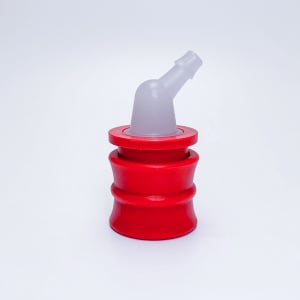
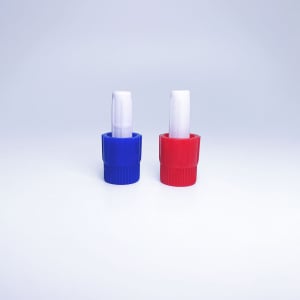
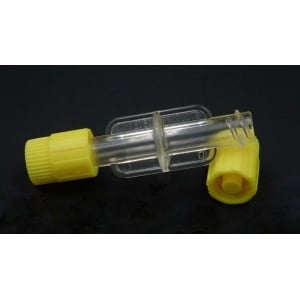
Kidney Storage Caps |
| Latex Free, DEHP Free, PVC Free and Phthalate Free |
|
|
Latex Free, DEHP Free,
PVC Free |
||||||||||||||||||||||||||||||||||||||||||||||||
|
Molded Products disposable storage caps were
designed with your patients safety in mind. In order to ensure contaminant-free storage of your dialyzers, our storage caps are: Latex Free, DEHP Free, PVC Free, and Phthalate Free. |
|||||||||||||||||||||||||||||||||||||||||||||||||
|
|||||||||||||||||||||||||||||||||||||||||||||||||
|
FYI…Hemodialysis has been identified as one of the procedures posing the highest risk of exposure to DEHP |
|||||||||||||||||||||||||||||||||||||||||||||||||
|
“PVC is a plastic polymer that is used in a wide array of medical products. Unplasticized PVC is hard and brittle at room temperature. A plasticizer (softener) is typically added to increase the flexibility of the polymer. DEHP is the plasticizer for most PVC medical devices.” 3 “DEHP can leach out of plastic medical devices into blood or medical solutions, such as Renalyn and Formaldehyde, that come in contact with the plastic. The amount of DEHP that will leach out depends on the temperature, the lipid content of the liquid and the duration of contact with the plastic.” 3 “Hemodialysis has been identified as one of the procedures posing the highest risk of exposure to DEHP. With its potential to deliver considerable doses of DEHP to a patient. For example, it was recently reported that, on average, 75.2 mg of DEHP was extracted during a single dialysis session, with a range of 44.3 to 197.1 mg. Even though all infused DEHP is not retained by the patient, it is estimated that 3.6 mg to 59.6 mg of the DEHP is retained in each patient from a single dialysis session.” 4 Additionally, reports have surfaced in regards to problems relating to repeated long-term exposure of patients’ dialysers to PVC caps during reprocessing and storage. These reports have indicated dialyser dialysate port softening and distortion, along with the raised question of, “Was the dialyser contaminant free before distortion or had additional amounts of DEHP leached into the dialyser that was still being actively used by the patient, during storage?” “In addition to DEHP, patients can be exposed to the DEHP metabolite, MEHP. This compound is formed exogenously by lipase enzymes in stored plasma or blood or by hydrolysis in stored and heated IV fluid. As a result, some of the DEHP that is released into stored blood, plasma or IV fluids will be converted to MEHP before reaching the patient. Exposure to MEHP is important since this compound is thought to be the toxic metabolite of DEHP and because it is more potent than DEHP in producing adverse affects.” 4 Unlike the general population, who has exposure to DEHP at widely spaced intervals, dialysis patients are exposed to these products, every week, 3 times a week, so they are at much greater risk to experience adverse effects, particularly if the dialysers are reprocessed using PVC storage devices. Recommendations
for preventing or limiting DEHP exposure: 3 David W. Feigal, Jr., MD, MPH, “PVC Devices Containing the Plasticizer DEHP,” Public Health Notification, Food and Drug Administration, Rockville, MD., July 12, 2002. pp.1-34 “Safety Assessment of Di(2-ethylhexhl) phthalate (DEHP) Released from PVC Medical Devices,” Public Health Notification, Center for Devices and Radiological Health, U.S. Food and Drug Administration, Rockville, MD., pp.3-22. |
|||||||||||||||||||||||||||||||||||||||||||||||||
|
Home | Company Background | Fax Order Form | E-Mail | Contact Us | Links and Resources |
|||||||||||||||||||||||||||||||||||||||||||||||||
| Manufactured
by Molded Products, Inc. Harlan, Iowa 51537 (800) 435-8957 Phone (800) 227-7935 Fax |
|||||||||||||||||||||||||||||||||||||||||||||||||